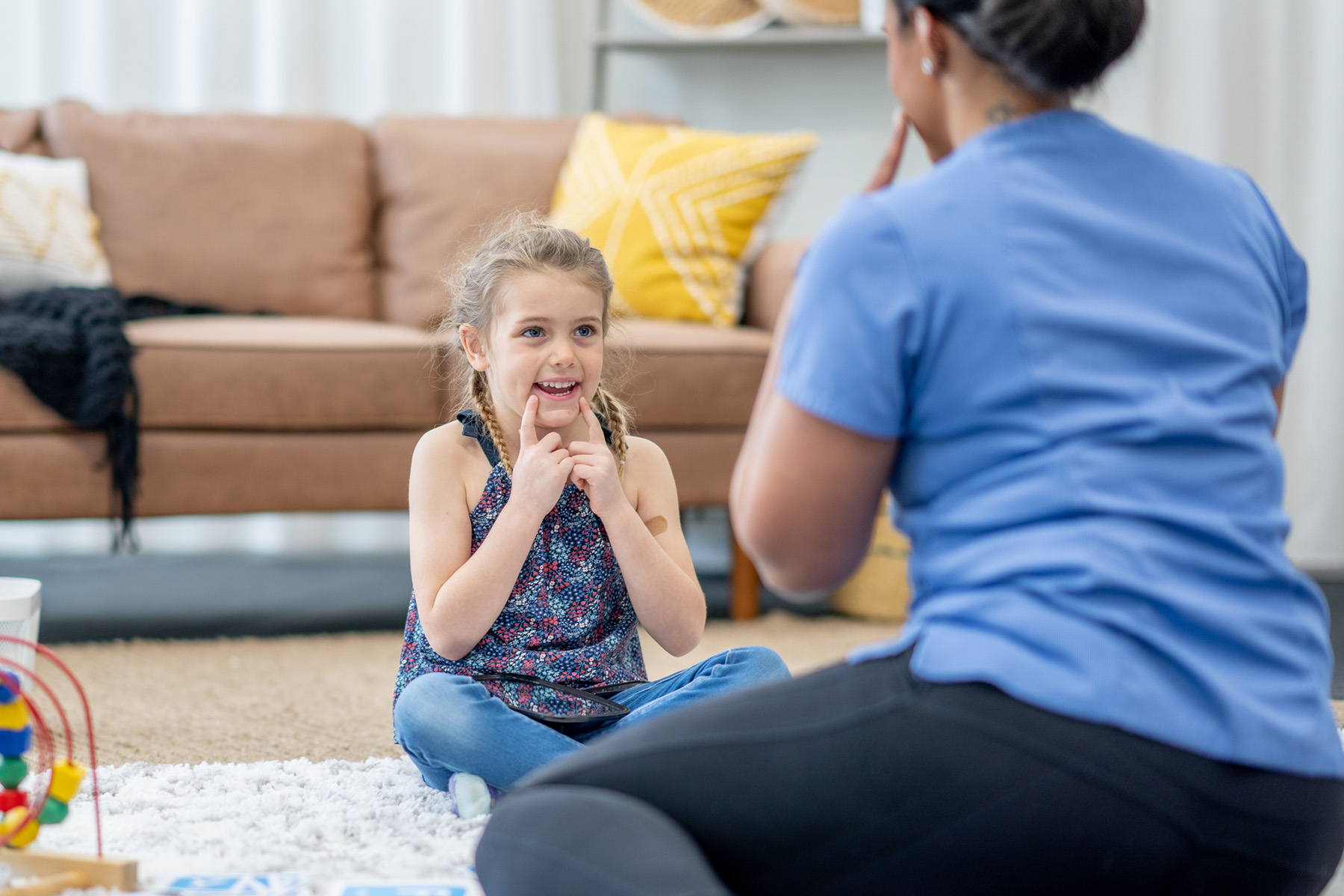

Occupational Therapy (OT) is one of those things that parents hear about… but don’t always get until they see it in action.
And then suddenly it clicks:
“Ohhh — this is why mornings are hard.”
“This is why socks are the enemy.”
“This is why handwriting is a meltdown.”
OT helps kids build the skills that make everyday life easier — and more comfortable — in their bodies.
What does Occupational Therapy help with?
OT supports the building blocks of daily life, including:
Sensory processing
- Big reactions to noise, tags, textures
- Meltdowns in busy places
- Seeking constant movement/crashing/jumping
- Trouble calming down once upset
Fine motor skills
- Pencil grip challenges
- Cutting with scissors
- Buttoning, zippers, tying shoes
- Legibility and writing endurance
Self-care skills
- Difficulty dressing independently
- Trouble brushing teeth/hair
- Eating challenges with utensils
Executive functioning
- Organization
- Planning
- Following multi-step routines
- Transitions (the hardest part of the day for many kids)
Signs your child may benefit from OT (ages 3–17)
Ages 3–5
- Avoids messy play (paint, sand, slime)
- Frequent tantrums with clothing or grooming
- Clumsy or fearful on playground equipment
- Struggles with using utensils
Ages 6–10
- Handwriting is painful, slow, or frustrating
- Difficulty sitting still for learning tasks
- Constantly losing items / forgetting steps
- Trouble with emotional regulation
Ages 11–17
- Disorganized school materials / missed assignments
- Difficulty with time management
- Avoids tasks that require effort (writing, planning)
- Feels overwhelmed easily
What OT looks like in real life
OT is hands-on and kid-centered. A session might include:
- obstacle courses for coordination + regulation
- “heavy work” activities for sensory support
- crafts for fine motor strength
- handwriting games
- routines that work for your family
- coping tools that feel empowering, not babyish
A word about sensory needs (because this is where parents feel stuck)
Sensory differences are not “bad behavior.”
If your child melts down after school, can’t tolerate certain clothing, or seems “overly sensitive,” their nervous system may be saying:
“This feels too much for me.”
OT helps kids build tools to:
- notice body signals
- regulate energy levels
- recover faster after stress
- feel safe in their bodies
Parent Tip: Try a “Sensory Snack”
Think of sensory support like snacks — small, frequent, helpful.
Try one:
- wall push-ups (10)
- animal walks to the kitchen
- a 3-minute trampoline break
- crunchy snack + water
- weighted blanket time with a book
Small supports = big ripple effects.
If daily routines feel harder than they “should,” you’re not doing anything wrong — your child may just need different support.
Occupational therapy helps kids feel more comfortable in their bodies, build independence, and develop regulation tools that make home and school days smoother. Book a call with Halo today so we can learn more about your child, answer your questions, and help you decide the best next step.